October 6, 2026 ~ Tokyo, Japan
Meiji Shrine is a peaceful retreat tucked into a vast forest in the heart of bustling Tokyo. Established in 1920, this Shinto shrine honors Emperor Meiji and his wife, Empress Shoken, who lived during Japan’s transformation into a modern nation. One surprising fact is that the forest was planted by hand, using around 100,000 trees donated from across Japan.
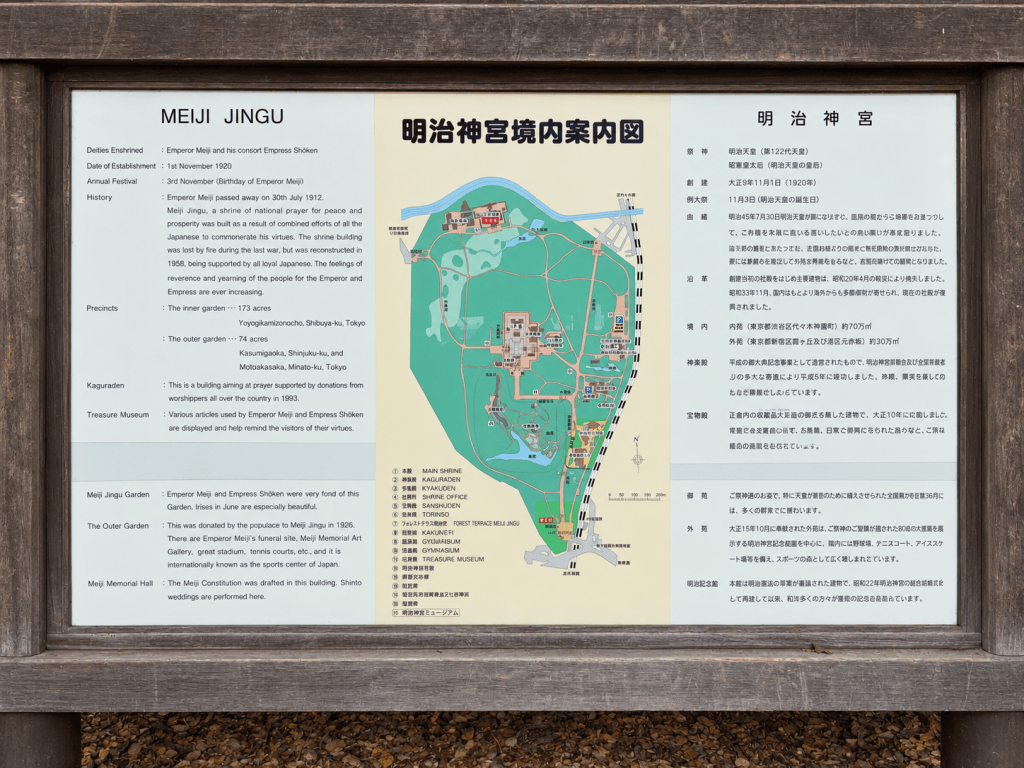
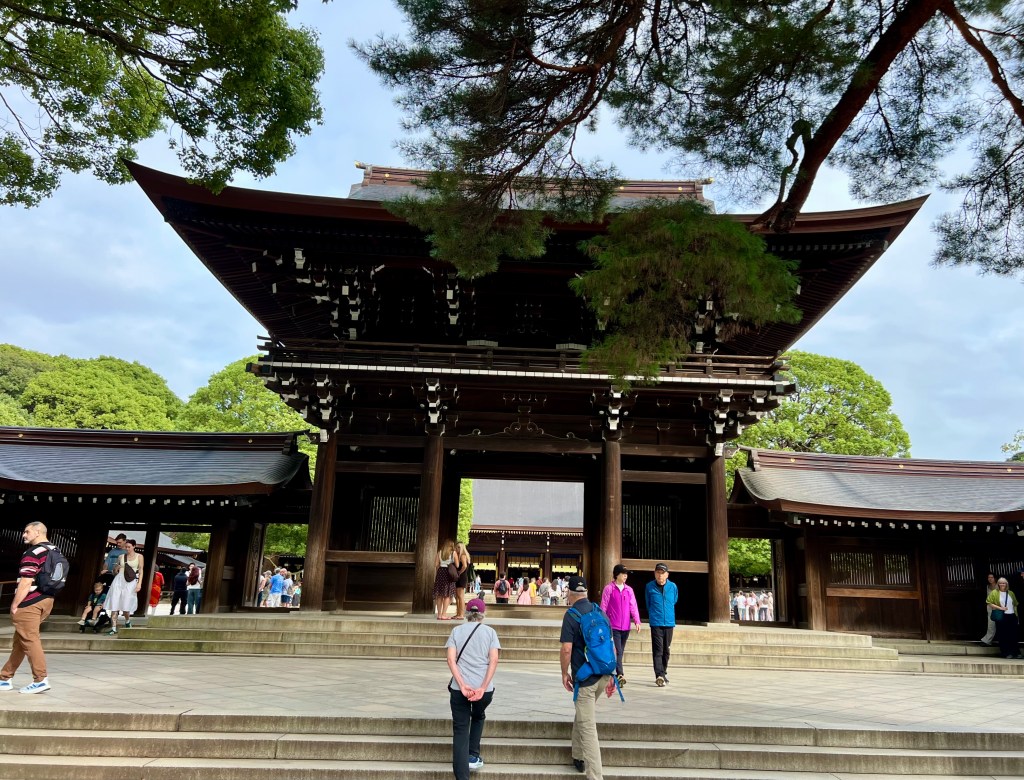
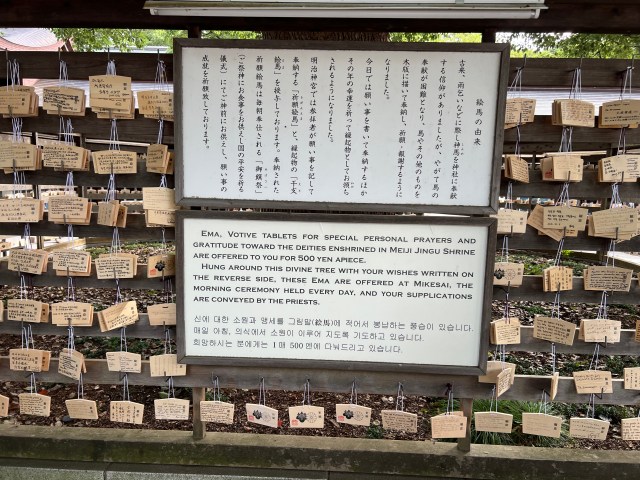
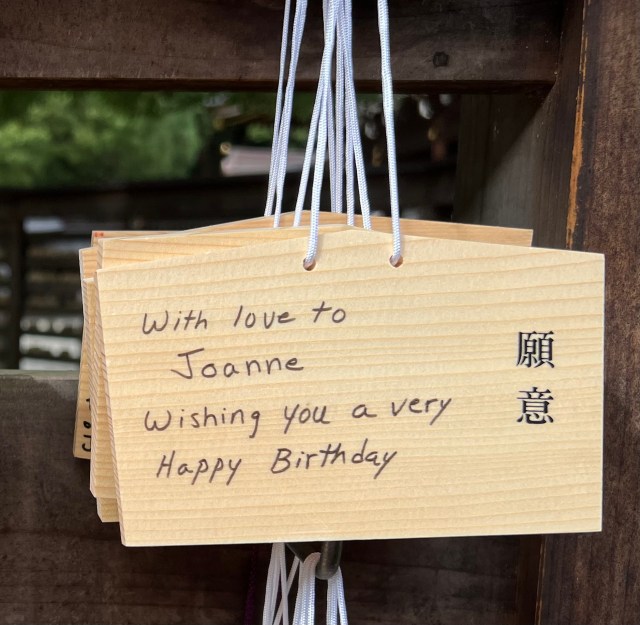
Jan and Mark surprised me with this special birthday message. I also made a donation and posted a prayer request, but that one will stay private.
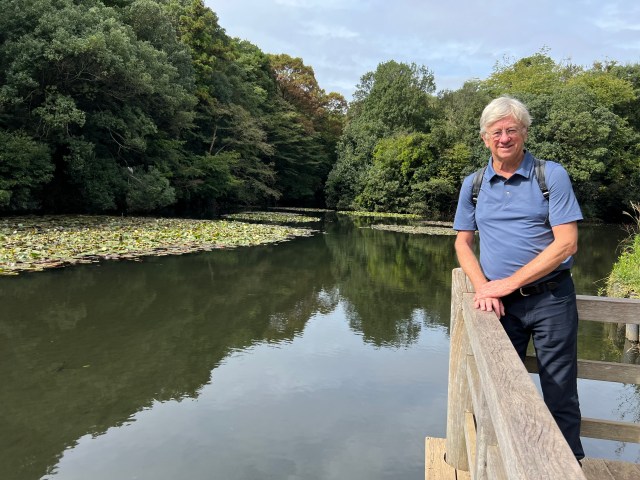
Tucked within the shrine grounds, the Meiji Jingu Inner Gardens actually predate the shrine itself and were a favorite retreat of Empress Shoken. Emperor Meiji even had a fishing platform built beside the pond for her to enjoy—a charming glimpse into imperial everyday life. The irises and azaleas were not in bloom during our visit, and we were a little early for fall colors. Even between seasons, the winding paths, pond, and greenery made this a peaceful place to wander.
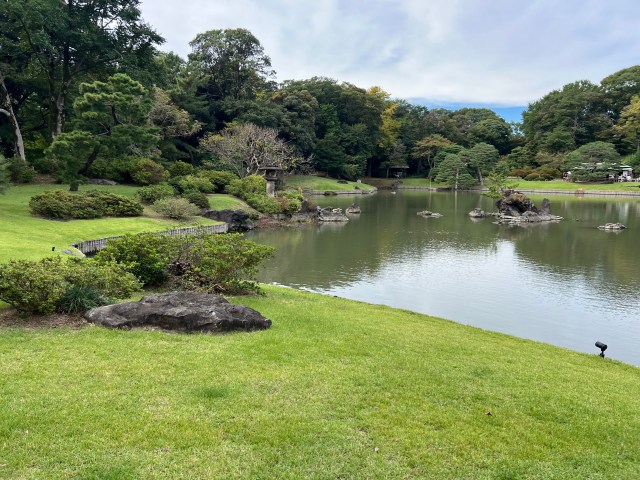
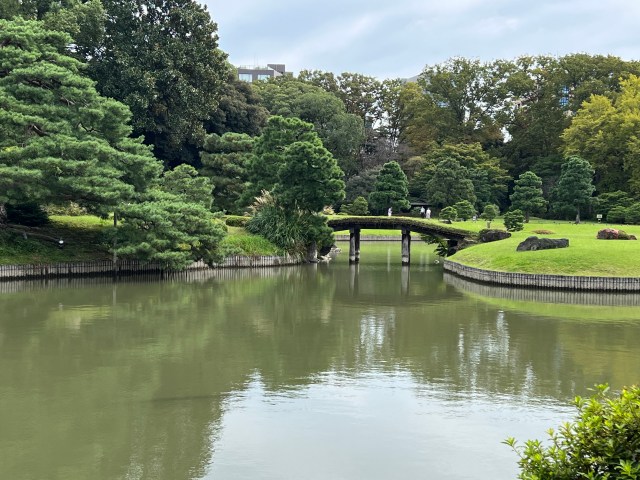
Rikugien is a traditional Japanese strolling garden, with winding paths circling a large pond dotted with islands and framed by wooded hills. Completed in 1702 for a powerful feudal lord, it was designed to be enjoyed slowly, with different views unfolding along the way. Its most intriguing feature is its connection to poetry: the landscape incorporates 88 scenes inspired by Japanese poems, famous scenic places, and Chinese classics.
From the quiet gardens, we moved on to the energy of Shibuya Crossing, one of Tokyo’s most recognizable sights. Nicknamed the “Scramble,” it stops traffic in every direction so pedestrians can cross all at once—even diagonally. At busy times, more than 1,000 people can cross during a single light change. Who would have guessed that a street crossing could become a tourist attraction!
Near Shibuya Crossing stands the statue of Hachikō, an Akita whose devotion made him one of Japan’s most beloved dogs. He would meet his owner, Professor Hidesaburō Ueno, at Shibuya Station after work, but in 1925 the professor died suddenly and never returned. Hachikō continued coming back to wait for him for nearly ten years, until his own death in 1935. In a particularly touching detail, Hachikō was still alive when his original statue was unveiled in 1934—and was there for the ceremony.
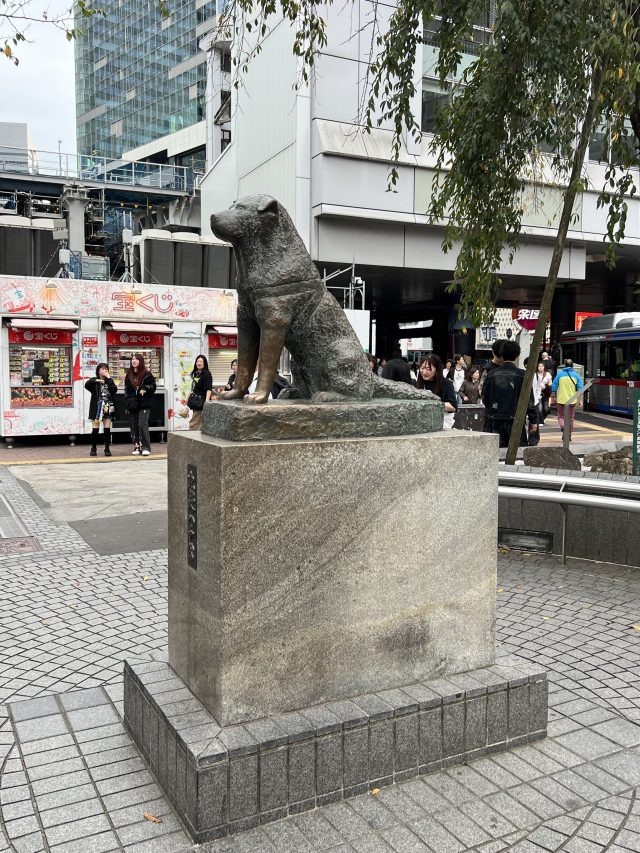
GRATITUDE MOMENT: Today I’m grateful for the compassionate people of Tokyo who cared for Hatchiko. Such a moving story of love and devotion.


What a special pace to spend your birthday. I love the story of the faithful dog and the statue. xo
LikeLike